NISSAN NEC007-088 Engine Module Ecu Ecm Pcm 4.0L 8M1
fits model: Frontier. make: Nissan. year: 2013–2014.
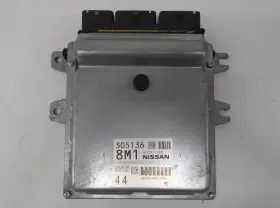
( Type: Engine Control Unit ), ( Programming Required: Yes ), ( Manufacturer Warranty: Other ), ( Manufacturer Part Number: NEC007-088 )
Review NISSAN 4.0l Engine Computer Module Ecu Ecm Pcm 8m1 fits FRONTIER 2013–2014
The Nissan NECO07-088 engine module, also known as the ECU, ECM, or PCM (Powertrain Control Module), is a crucial component of the 4.0L engine found in certain Nissan Frontier models from 2013 to 2014. This advanced electronic control unit plays a vital role in managing various engine functions, ensuring optimal performance and fuel efficiency under different driving conditions.
The NECO07-088 engine module is designed to communicate with other vehicle systems, including the transmission, fuel system, and emission control components. It continuously monitors and analyzes engine data in real-time, making adjustments as needed to maintain ideal engine operating conditions. Some of its functions include managing fuel injection timing, controlling engine ignition, and regulating exhaust emissions.
This engine module features advanced diagnostic capabilities, allowing it to detect and trouble shoot various engine issues. In case of a fault, the module stores relevant diagnostic trouble codes (DTCs) and illuminates the malfunction indicator lamp (MIL) on the instrument cluster. By connecting a diagnostic scanner to the OBD-II port, technicians can retrieve and interpret these codes, helping to diagnose and repair any underlying problems.
The NECO07-088 engine module is a sophisticated piece of automotive technology, designed to meet stringent emission standards while delivering robust and dependable performance. Its sophisticated design and engineering make it an essential component of the 4.0L engine in the Nissan Frontier models from 2013 to 2014. Replacing a faulty or malfunctioning engine module can help restore optimal engine performance, improve fuel efficiency, and ensure the longevity of the vehicle.
The Nissan 4.0L engine, specifically the 8M1 variant used in the Frontier model from 2013 to 2014, is a reliable and powerful engine. However, purchasing a new engine module, ECU (Engine Control Unit), ECM (Engine Control Module), or PCM (Powertrain Control Module) for this engine can be a complex decision. Here are some pros and cons to consider:
Pros:1. Improved Performance: A new ECU can lead to improved engine performance, including better fuel economy, increased horsepower, and smoother operation.
2. Fixing Check Engine Light: If your check engine light is on, a new ECU can help diagnose and fix any underlying issues with the engine.
3. Longer Engine Life: A new ECU can help prolong the life of the engine by addressing any existing issues and preventing future problems.
4. Enhanced Emissions Compliance: A new ECU can help ensure your vehicle meets emissions standards, which can be important for passing inspections and maintaining registration.
Cons:1. Cost: A new ECU can be expensive, ranging from several hundred to over a thousand dollars, depending on the source and complexity of the issue.
2. Installation: Installing a new ECU can be a complex and time-consuming process, requiring specialized tools and expertise.
3. Potential for Additional Issues: In some cases, replacing an ECU can cause additional issues, such as problems with other vehicle systems or compatibility issues with other components.
Conclusion:In conclusion, purchasing a new ECU for a Nissan Frontier 4.0L engine can offer significant benefits in terms of performance, emissions compliance, and engine life. However, the cost and complexity of the installation process should be carefully considered before making a decision.
Recommendation:If you are experiencing issues with your Nissan Frontier 4.0L engine and suspect that a new ECU may be necessary, it is recommended that you consult with a qualified mechanic or Nissan dealership to diagnose the issue and determine the best course of action. They can help assess the severity of the problem and provide you with an accurate estimate of the cost and complexity of the repair. In some cases, it may be more cost-effective to address any underlying issues with the engine rather than replacing the ECU outright.
Details:
part #: nec007088 prices
- $149.90-$539.99
specifications ecusrush:
- for models: Frontier
- for makes: Nissan
- for years: 2013-2014
- type: Engine Control Unit
- programming required: Yes
- manufacturer warranty: Other
- manufacturer part number: NEC007-088
returns ecusrush:
- policy: Returns Accepted
- time: 60 Days
- paid by: Seller
payments ecusrush:
- credit card: Visa
- other
- wallet: Paypal
offer ecusrush:
- options: Ship-to-home
- quantity: 1
- sold: 0
- started: July 17, 2025
- availability: In Stock
shipping ecusrush:
- carrier: USPS
- transit: 2-5 Days
- service: USPS Priority Mail
- class: Expedited
- type: Fixed
- cost: $0.00
seller ecusrush:
- rating: 99.1%
- city: Festus, Missouri
- # reviews: 1187
general ecusrush:
- Car Truck Parts Accessories > Starters, Alternators, ECUs Wiring > ECUs Computer Modules
- condition: Used
Nissan NEC007-088 Is Similar To:
- Ecm 590-53155 Engine Control Module Fits 2011 11 Nissan Murano Mec118080c2 Mec118-080 C2 (32.1% similar) Please do your homework before purchasing. If they are unable to program will condemn the ecm as defective. Parts from 1998 and up vehicles are complicated anti-theft systems have further installation of used or new modules. Replacing an ecm in most cases require re-programming by a qualified...(June 5th, 2024)
- Nissan 591-74554 Chassis Ecm Communication Bluetooth Fits 14 16-17 Sentra (26.1% similar) Part #: nissan 707603 for sale...(June 6th, 2024)
- Nissan Bem40c-300 2016 2017 Sentra 1.8l Engine Control Module Unit Ecm B61 006 (64.6% similar) Note: stock number: B61#006...(June 8th, 2024)
- Nissan 284b71kj1e 2011-2017 Juke Power Supply Engine Compartment Oem (51.4% similar) 2013 nissan Jake. First come first serve. There is no holding of items unless agreed upon. Receipts are available upon request...(June 8th, 2024)
- Nissan Mec63-340 2004 2005 2006 Sentra 1.8l Ecu Pcm Engine Control Module (54.9% similar) Documentation that the part could not be programmed and verify installation requirements. Verify installation and/or programming requirements: this item may require programming, flashing, or coding in order to work with your vehicle. The following must be sent when you open a return:: a photo of...(June 8th, 2024)
- Nissan 31036-1ad0e 2009 2010 Murano 3.5 Transmission Control Module Tcm Oem 31036 1ad0e (45.5% similar) This used item comes with a 30 day warranty parts only - no labor. All control modules are used and require programming...(June 9th, 2024)
- Nissan Bem42-300 2015 Altima 3.5 Cvt Engine Computer Control Module Ecu Ecm Pcu Pcm Oem (67.1% similar) Oem radios do not included codes unless noted in the. Please review the listing for any available fitment and product specific information. These markings cannot be seen, and do not affect how the part functions or installs. All of our electronic parts have special UV markings inside...(June 9th, 2024)
- Nissan Nec048-697 2018-2022 Rogue Sport Engine Computer Ecu Pcm Ecm Pcu Oem Tbvjp (64.6% similar) Rogue sport 18-21 electronic control module; MR20DD, 2.0L. Rogue sport 22 electronic control module;. Compatible with: quash 18-21 electronic control module; MR20DD, 2.0L. Most electronic parts are not plug and play. Please also use the pictures to ensure a proper fit. This 2018 2019 ...(June 9th, 2024)
- Nissan Bem420-300 B2 2015 2016 15 16 Murano Engine Control Module Computer Ecm Ecu Bem420300b2 (48.3% similar) This item comes with a 30 day warranty...(June 11th, 2024)
- Nissan Mec111-022a1 2008 Rogue Compute Brain Engine 2wdcontrol Ecu Ecm Module Mec1110222a1 (47.1% similar) It is compatible with 2-WHEEL drive model's and a vital component of the vehicles engine management system. This engine control unit ecu is designed for a 2008 nissan rogue...(June 11th, 2024)
- Nissan Nec027-096 2017 Titan 5.6l Ecu Pcm Engine Control Module Bed440-300 (55.8% similar) We inspect the item for any physical damage. Be sure to view all of our photos and read the full. The item must be in its original condition and markings. Parts only sales are final. Verify installation and/or programming requirements: this item may require...(June 12th, 2024)

5 offers $149.90–$539.99 USD
- Used. Offer #1 priced at $149.90 + $8.95 delivery = $158.85* total. A photo of the original part number needed. 2013 2014 Nissan Frontier 4.0L.+$8.95 shipping
- Used. Offer #2 priced at $149.95 + $0.00 delivery = $149.95* total. Please carefully look over all pictures and compare part numbers.FREE SHIPPING
- Remanufactured. Offer #3 priced at $539.99 + $0.00 delivery = $539.99* total. Plug & Play Engine ComputerECM PCM ECU.FREE SHIPPING
- Used. Offer #4 priced at $224.50 + $0.00 delivery = $224.50* total. PARTS SOLD ARE USED AND MAY SHOW SIGNS OF WEAR AND TARE. SOLD AS IS.FREE SHIPPING
- Used. Offer #5 priced at $199.99 + $14.99 delivery = $214.98* total. Will Fit : 2013 2014 NISSAN FRONTIER 4.0L AUTOMATIC ENGINE COMPUTER MODULE ECU ECM PCM .+$14.99 shipping