MAZDA G1T00976H1 Tcm Tcu Transmission Control Module L519 9E1C
fits make: Mazda. year: 2009–2018.
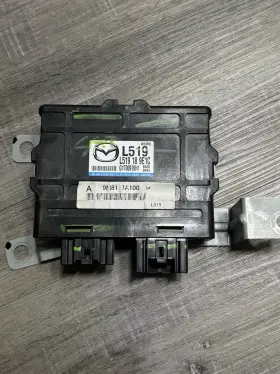
( Mounting Style: Bolt-on ), ( Protection Lock: No ), ( Fitment Type: Direct Replacement ), ( Manufacturer Part Number: G1T00976H1 ), ( Placement On Vehicle: Engine Compartment ), ( Type: Transmission Control Module ), ( Manufacturer Warranty: 1 Month ), ( Oe/oem Part Number: L519 18 9e1c, L519189e1c ), ( Universal Fitment: Yes ), ( Country/region Of Manufacture: Japan )
Review MAZDA Tcm Tcu Transmission Control Module Oem fits 2009–2018
The Mazda G1T00976H1 Transmission Control Module (TCM/TCU) is an essential component of the automatic transmission system in certain Mazda vehicles manufactured between 2009 and 2010. This particular TCM, with the part number L519 18 9E1C, is a critical element that ensures smooth and efficient shifting between gears.
This Transmission Control Module is a microcontroller-based electronic unit responsible for managing various functions related to the automatic transmission, such as gear selection, hydraulic pressure control, and temperature regulation. It communicates with other vehicle systems, including the engine control module, to ensure optimal performance.
The Mazda G1T00976H1 TCM is a compact, robust device designed to operate under various driving conditions. It is built with advanced technology to ensure precise control and quick response times, providing a superior driving experience. The module features multiple input/output interfaces, enabling it to receive and send data to other vehicle systems in real-time.
The L519 18 9E1C Transmission Control Module is specifically designed for vehicles requiring this part number. It is engineered to Mazda's exacting standards, ensuring a perfect fit and seamless integration with the vehicle's transmission system. This TCM is also covered by Mazda's warranty, providing peace of mind to the vehicle owner.
In the event of a failure, replacing the Mazda G1T00976H1 Transmission Control Module can significantly improve the performance and reliability of the vehicle's automatic transmission system. It is essential to use a genuine Mazda replacement part, such as this one, to maintain the vehicle's overall performance and safety.
In summary, the Mazda G1T00976H1 Transmission Control Module (TCM) is a vital component of the automatic transmission system in certain Mazda vehicles from 2009 to 2010. This L519 18 9E1C module ensures smooth and efficient gear shifting, precise pressure control, and optimal temperature regulation. It is a high-quality, robust device designed to Mazda's exacting standards, ensuring a perfect fit and seamless integration with the vehicle's transmission system.
The Mazda G1 T0976H1 TCM (Transmission Control Module) L519 18 9E1C is a crucial component for the proper functioning of the automatic transmission system in certain Mazda vehicles produced between 2009 and 2010. This part may need replacement due to various reasons, such as wear and tear, malfunctions, or as part of routine maintenance. In this response, I will discuss the potential pros and cons of buying this transmission control module to help you make an informed decision.
Pros:1. Enhanced Performance: A new TCM can help improve the overall performance of your Mazda's automatic transmission system. It can ensure smoother gear shifts, better fuel efficiency, and improved acceleration.
2. Fault Diagnosis: A replacement TCM can help diagnose and rectify various transmission-related issues. For instance, it can help resolve issues related to erratic shifting, slipping gears, or hesitation during acceleration.
3. Longer Transmission Life: By addressing any existing issues, a new TCM can help prolong the life of your transmission system. It can prevent further damage to other transmission components and reduce the need for costly repairs in the future.
4. Improved Reliability: A new TCM can help increase the reliability of your Mazda's transmission system. It can reduce the chances of unexpected transmission failures and ensure a more consistent driving experience.
Cons:1. Cost: Replacing a TCM can be a significant investment, and the cost of the part itself, as well as the labor charges for installation, can add up.
2. Availability: Depending on your location, the availability of the exact Mazda G1 T0976H1 TCM L519 18 9E1C part may be limited. This could result in extended waiting times for the part, which could further increase the overall cost and inconvenience.
3. Diagnostic Complexity: While replacing a TCM can help resolve many transmission-related issues, it may not be a panacea for all problems. In some cases, other transmission components may also need replacement, which could add to the overall cost and complexity of the repair.
Conclusion:In conclusion, buying a Mazda G1 T0976H1 TCM L519 18 9E1C can offer several benefits, such as improved performance, fault diagnosis, longer transmission life, and increased reliability. However, it also comes with certain drawbacks, such as cost and availability. Ultimately, the decision to replace the TCM depends on the specific situation, including the severity of the transmission issues, the overall condition of the transmission system, and the budget for the repair. If the transmission issues are severe, or if the transmission system is showing signs of significant wear and tear, replacing the TCM may be a worthwhile investment. However, if the issues are minor, or if the cost of the repair is a significant concern, exploring other potential solutions, such as adjusting the transmission fluid or replacing other transmission components, may be worth considering.
Recommendation:My recommendation would be for you to consult with a qualified Mazda mechanic or transmission specialist to assess the specific situation with your Mazda's transmission system. They can help diagnose the underlying issues, provide an accurate estimate of the cost and complexity of the repair, and offer alternative solutions if applicable. Based on their assessment, you can make an informed decision on whether replacing the Mazda G1 T0976H1 TCM L519 18 9E1C is the best course of action for your particular situation.
Details:
L519 18 9E1C. Used TCM from a wrecked 2010 Mazda 6. Free 30 Day Warranty.
part #: g1t00976h1 prices
- $145.00-$349.00
specifications ecusrush:
- for makes: Mazda
- for years: 2009-2018
- mounting style: Bolt-on
- protection lock: No
- fitment type: Direct Replacement
- manufacturer part number: G1T00976H1
- placement on vehicle: Engine Compartment
- type: Transmission Control Module
- manufacturer warranty: 1 Month
- oe/oem part number: L519 18 9e1c, L519189e1c
- universal fitment: Yes
- country/region of manufacture: Japan
offer ecusrush:
- availability: In Stock
- quantity: 1
- sold: 0
- options: Ship-to-home
- started: June 24, 2025
shipping ecusrush:
- cost: $0.00
- class: Standard
- carrier: USPS
- service: USPS Ground Advantage
- type: Fixed
- transit: 3-7 Days
payments ecusrush:
- wallet: Google-pay
- other
- credit card: Visa
general ecusrush:
- Car Truck Parts Accessories > Starters, Alternators, ECUs Wiring > ECUs Computer Modules
- condition: Used
seller ecusrush:
- city: Ogden, Utah
- # reviews: 728
- rating: 99.7%
returns ecusrush:
- policy: No Returns
Mazda G1T00976H1 Is Similar To:
- Mazda L5f8 18 881a 2012 12 3 2.5 Engine Control Computer Module Ecm Ecu Oem (50% similar) This is a used item. The part was working 100% when removed from the donor vehicle. This used item comes with a 30 day warranty parts only - no labor...(June 7th, 2024)
- Mazda F151-67880 Rx-8 Power Steering Control Module Oem h2hwa (44.8% similar) Ecu pulled from wrecked vehicle. Works as it should. 30 day warranty. May require programming...(June 10th, 2024)
- Ford Mazda 9l8a-12a650-abb 2011 Escape Mariner 3.0l Ecu Ecm Engine Control Module (45.1% similar) Some items may have cosmetic surface wear. Some items may or not need to be reprogrammed. PART:9L8A-12A650-ABBY, condition: this item is in good used condition...(June 15th, 2024)
- Ford Lincoln Mercury Mazda 4f2a-12a650-cf Oem 2004 Freestar 3.9l Automatic Engine Computer Module Ecm (35.2% similar) Part #: ford Lincoln mercury mazda 4F2A-12A650-CF for sale...(June 19th, 2024)
- Mazda 279700-4163 2006 2007 Rx7 Control Module Computer Ecm Ecu 2797004163 (45.2% similar) This item comes with a 30 day warranty...(June 20th, 2024)
- Mazda Pedb18881a 2014 2015 3 2.5l Engine Computer Control Module Oem Ecm (49.7% similar) This used item comes with a 30 day warranty parts only - no labor...(June 21st, 2024)
- Mazda Bb4a-12b684-da 2011-14 Cx-9 3.7l Ecm Engine Computer Module Ecu Pcm Awd B50a-12a650-sa (41.6% similar) Please verify fitment prior to purchasing. Sold as-is - visually inspected. Removed from running engine...(June 23rd, 2024)
- Mazda 590-62034 Engine Ecm Electronic Control Module Id Py1d-18881 Fits 14-16 6 (50% similar) Standard warranty...(June 25th, 2024)
- Mazda 18 9e1d Lfje189e1b 12 13 3 2.0l A t Tcu Tcm Transmission Control Module Oem (60.5% similar) Reprogramming, programming or coding: some parts may need coding, reprogramming or programming to a vehicle.: normal wearing. Return most not be opened or tampered with. All reprogramming, programming or code cost is on the consumer expense. Specification: at. Warranty on the...(June 27th, 2024)
- Mazda Lf8m 18 881f 2010 2011 3 2.0l Engine Control Module Computer Ecm Ecu Pcm (45.3% similar) Shipping, we currently only ship to the continental USA. Please see all photos for an accurate idea of condition. Please reference the part number to ensure proper fitment/compatibility with your vehicle. All connectors/locking tabs are fully intact. Please refer to part number...(June 28th, 2024)
- Mazda E6t54172h 2005 3 Engine Computer Module Oem Ecme6t54172h (46.2% similar) This used item comes with a 30 day warranty parts only - no labor...(June 29th, 2024)

5 offers $145.00–$349.00 USD
- Used. Offer #1 priced at $145.00 + $0.00 delivery = $145.00* total. Used remanufactured TCM removed in good working condition.FREE SHIPPING
- Remanufactured. Offer #2 priced at $349.00 + $0.00 delivery = $349.00* total. Common issues associated with a failing TCM - U0101, U0100 (Lost communication with TCM). These TCMs are being advertised as new refurbished and remanufactured when they are none of these things.FREE SHIPPING
- Used. Offer #3 priced at $160.00 + $0.00 delivery = $160.00* total. This module is a crucial component for controlling the automatic transmission in Mazda vehicles, ensuring smooth and efficient gear shifts The product is a Mazda 5 2.5L TCM TCU Automatic Transmission Control Module with the OE/OEM Part Number L5E4 18 .FREE SHIPPING
- Used. Offer #4 priced at $149.99 + $12.32 delivery = $162.31* total. Only compatible with automatic transmission models. Genuine OEM Mazda TCM.+$12.32 shipping
- Remanufactured. Offer #5 priced at $213.90 + $0.00 delivery = $213.90* total. MAZDA TCM REMOVAL. OE PART NUMBER: L34T 18 9E1A, L34T 18 9E1B, L34T 18 , L34T 18 9E1D, L34T 18 9E1E, L34T189E1A, L34T189E1B, L34T18 , L34T189E1D, L34T189E1E.FREE SHIPPING