TOYOTA 89661-04650 Engine Ecu Ecm Pcm 3.4L 4X2 M/t
fits model: Tacoma. make: Toyota. year: 1999–2001.
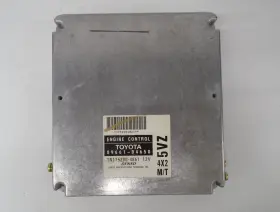
( Type: Engine Control Unit ), ( Programming Required: Yes ), ( Manufacturer Warranty: Other ), ( Manufacturer Part Number: 89661-04650 )
Review TOYOTA 3.4l 4x2 M/t Engine Computer Ecu Ecm Pcm fits TACOMA 1999–2001
The Toyota 89661-04650 engine control unit (ECU), also known as the engine electronic computer (EEC) or powertrain control module (PCM), is a crucial component in the powertrain system of certain 1999-2001 Toyota Tacoma pickup trucks equipped with the 3.4L 4x2 manual transmission engine. This ECU is responsible for managing and optimizing the engine's performance and emissions, making it an essential part of ensuring a reliable and efficient driving experience.
This Toyota ECU is a sophisticated microcontroller that utilizes advanced engine management algorithms to monitor and control various engine functions. These functions include ignition timing, fuel injection, idle speed, and emissions control. By continuously analyzing real-time engine data, the ECU can make adjustments to optimize performance and efficiency under various driving conditions.
The ECU is also equipped with on-board diagnostics (OBD) capabilities, which enable it to detect and trouble shoot various faults in the powertrain system. This can help simplify maintenance and repair efforts by providing clear and accurate diagnostic information to mechanics.
The Toyota 89661-04650 ECU is designed to be robust and durable, with a high degree of resistance to both electrical and environmental stresses. It is sealed against the elements, making it suitable for use in harsh driving conditions. The ECU also comes with a wiring harness and necessary mounting hardware, making installation a straightforward process for qualified technicians.
In summary, the Toyota 89661-04650 engine control unit is a vital component in the powertrain system of certain 1999-2001 Toyota Tacoma pickup trucks. It is responsible for managing and optimizing engine performance and emissions, as well as providing on-board diagnostic capabilities for simplified maintenance and repair efforts. This robust and durable ECU is designed to withstand various driving conditions and is easy to install with the included wiring harness and mounting hardware.
Buying the Toyota 89661-04650 engine control unit (ECU/ECM/PCM) for a 1999-2001 Tacoma with a 3.4L 4x2 manual transmission can be a viable solution for those experiencing issues with their vehicle's engine performance. Here are some potential pros and cons to consider before making a purchase.
Pros:1. Improved Engine Performance: A new ECU can help improve the overall performance of the engine, including fuel efficiency and power output.
2. Enhanced Diagnostic Capabilities: A new ECU can help identify and diagnose potential engine issues more accurately and efficiently.
3. Potential Cost Savings: Replacing the ECU instead of the entire engine can save significant amounts of money, especially for older vehicles.
4. OEM Part: The Toyota ECU is an original equipment manufacturer (OEM) part, which means it is specifically designed for the vehicle and should provide a reliable and accurate fit.
Cons:1. Cost: Replacing an ECU can be a costly repair, especially when factoring in the labor costs for installation.
2. Potential Compatibility Issues: Ensure the ECU is compatible with any aftermarket modifications or performance upgrades installed on the vehicle.
3. Risk of Damaging Other Components: During the installation process, there is a risk of damaging other sensitive components, such as the wiring harness or other electrical components.
In conclusion, purchasing the Toyota 89661-04650 ECU for a 1999-2001 Tacoma with a 3.4L 4x2 manual transmission can offer several benefits, including improved engine performance and enhanced diagnostic capabilities. However, it also comes with potential drawbacks like cost and compatibility issues. Ultimately, the decision to replace the ECU should be based on the severity and frequency of the engine issues, as well as the overall condition and goals for the vehicle.
If the vehicle is a daily driver, and the engine issues are causing significant concerns, investing in a new ECU could be a worthwhile investment. However, if the vehicle is primarily used for occasional use or has extensive modification history, it may be more cost-effective to explore other repair options or consider selling the vehicle and investing in a newer, more reliable model.
It's essential to weigh the pros and cons carefully and consult with a professional mechanic to determine whether replacing the ECU is the best course of action for your specific situation.
Details:
part #: 8966104650 prices
- $399.99-$649.00
specifications ecusrush:
- for models: Tacoma
- for makes: Toyota
- for years: 1999-2001
- type: Engine Control Unit
- programming required: Yes
- manufacturer warranty: Other
- manufacturer part number: 89661-04650
seller ecusrush:
- # reviews: 1202
- city: Festus, Missouri
- rating: 100.0%
offer ecusrush:
- options: Ship-to-home
- availability: In Stock
- quantity: 1
- started: September 4, 2025
- sold: 0
general ecusrush:
- condition: Used
- Car Truck Parts Accessories > Starters, Alternators, ECUs Wiring > ECUs Computer Modules
payments ecusrush:
- wallet: Apple-pay
- other
- credit card: Discover
returns ecusrush:
- time: 60 Days
- paid by: Seller
- policy: Returns Accepted
shipping ecusrush:
- transit: 2-5 Days
- carrier: USPS
- cost: $0.00
- type: Fixed
- class: Expedited
- service: USPS Priority Mail
Toyota 89661-04650 Is Similar To:
- Toyota 89661-47250 2007 2009 Prius 1.5l Engine Control Module Unit Ecm D54 039 (54.5% similar) Note: stock number: D54#039...(June 5th, 2024)
- Toyota 89661-0cg01 2010 Tundra 5.7l Ecm Engine Computer Module Ecu Pcm Blemish (61% similar) Sold as-is - visually inspected. Please verify fitment prior to purchasing. Removed from running vehicle...(June 6th, 2024)
- Toyota 89661-34170 95 T100 3.4l 5vz-fe At 4x2 Ecu Ecm Pcm Engine Computer 3158 (59.7% similar) Shipped with USPS ground advantage. 95 toyota T100 3.4L 5VZ-FE at 4X2 ecu ecm pcm engine computer 89661-34170 3158. Condition is used...(June 6th, 2024)
- Toyota 89661-60611 2003 Rav 4 2.0l Engine Computer Control Module Ecm Ecu Oem 8966160611 (58.5% similar) Part #: toyota 89661-60611 for sale...(June 7th, 2024)
- Toyota 28447011 2015 2016 Corolla 1.8 Engine Control Computer Module Ecm Ecu Oem (51.3% similar) This used item comes with a 30 day warranty parts only - no labor. This is a used item. The part was working 100% when removed from the donor vehicle...(June 7th, 2024)
- Toyota 89661-06f71 2008 Solara 3.3l Engine Computer Control Module Ecm Ecu Oem 8966106f71 (61.8% similar) Part #: toyota 89661-06F71 for sale...(June 7th, 2024)
- Toyota 89661-02f52 2009 2011 Corolla 1.8 Engine Control Module Unit Ecm L57 031 (56.8% similar) Note: stock number: L57#031...(June 9th, 2024)
- Toyota 896610x580 Engine Ecm Electronic Module Control 2.5l Fits 19 Camry (37.6% similar) Quality tested. Washed to remove excess dirt and grease. Warranty is for replacement of the part only and does not include any towing, labor, fluids, seals or gaskets. Warranty period begins on the day part is delivered. All parts must be installed to manufacturers specifications...(June 9th, 2024)
- Factory oem 89540-35270 2001 2002 Toyota 4runner Trc Vsc Abs Control Module Computer (31.3% similar) The part came out of a 2001 toyota 4 runner but may fit several to 2002 model's with the same number. Item was in good working order when removed. You are getting a used original factory abs TRX vac traction skid control computer module p/n 89540-35270. Please compare the provided part numbers and...(June 9th, 2024)
- Toyota 89661-06j51 2011 Camry 2.5l Engine Computer Control Module Ecm Ecu Oem 8966106j51 (54.9% similar) Part #: toyota 89661-06J51 for sale...(June 10th, 2024)
- Toyota 89661-24570 1999 2000 Lexus Sc300 Engine Computer Ecu Ecm Pcm Control Module 89661-24580 Oem (62.9% similar) The ecu is made of aluminum material and has a bolt-on mounting style.this item easy to install requires programming for digital input. It comes with a female connector type and five blade terminals, maximum amperage of 50A. This engine control unit ecu is a genuine oem part for the 1999 -2000...(June 11th, 2024)

2 offers $399.99–$649.00 USD
- Used. Offer #1 priced at $399.99 + $12.99 delivery = $412.98* total. -IN THE EVENT OF A PART SOLD WITH A WARRANTY FAILS TO OPERATE WITHIN THE. CLEANED & POLISHED.+$12.99 shipping
- Used. Offer #2 priced at $649.00 + $16.99 delivery = $665.99* total. Modules from 1998 and up vehicles may have anti-theft systems that further complicate installation of used ECM modules. This was removed from a vehicle that ran well with no check engine lights.+$16.99 shipping