BMW 800-01 Tire Pressure Control Module 6-773-723 328
fits model: M3, M5, X5, 335, 525, 528, 535. make: Bmw. year: 2007–2011.
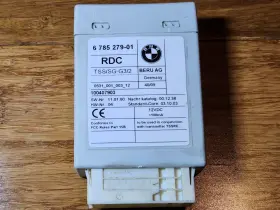
( Type: Tire Pressure Control Module Rdc ), ( Ipn: 6 773 723 ), ( Oe/oem Part Number: 6 778 387 01 ), ( Manufacturer Warranty: 1 Month ), ( Fitment Type: Direct Replacement ), ( Manufacturer Part Number: 800-01 ), ( Terminal Type: Pin ), ( Features: Easy Installation ), ( Placement On Vehicle: Rear )
Review BMW 328 Tire Pressure Control Module fits M3 M5 X5 335 525 528 535 2007–2011
The BMW Tire Pressure Control Module 800-01, manufactured between the years 2007 and 2011 for various BMW models including 328, 335, 525, 528, 535, M3, M5, and X5, is a critical component of your vehicle's safety and performance system. This module is designed to accurately monitor and maintain the correct tire pressure levels in each tire, ensuring optimal road contact, fuel efficiency, and extended tire life.
The BMW Tire Pressure Control Module 800-01 utilizes sensor technology to continuously measure tire pressure levels and sends real-time data to the vehicle's central onboard computer. This information is displayed on the dashboard, allowing the driver to easily monitor tire conditions. In instances where tire pressure falls below or rises above the predetermined threshold, the system can activate warning lights on the dashboard and suggest the appropriate corrections.
When the tire pressure is not at the correct level, the issue may not be immediately apparent, potentially compromising safety, reducing fuel efficiency, or causing uneven tire wear. A faulty or failing Tire Pressure Control Module can lead to inaccurate readings, potentially leading to unintentional unsafe conditions. Therefore, maintaining a functional and responsive BMW Tire Pressure Control Module is crucial for the overall health and optimal performance of your vehicle.
The suspension and steering systems of your BMW rely on precise tire pressure to operate at their best. Proper tire pressure is essential for consistent handling, precise steering, and smooth ride quality. Furthermore, maintaining the correct tire pressure results in improved fuel efficiency, as the tires roll more efficiently when properly inflated.
The BMW Tire Pressure Control Module 800-01 is designed to operate in harsh environments and stands up well against extreme temperatures and moisture. The module is sealed and waterproof to ensure resistance against the elements, providing peace of mind for BMW owners in various climates and driving conditions. The system is thus capable of adapting to varying temperatures and altitudes, making it a valuable addition to your BMW vehicle.
In conclusion, the BMW Tire Pressure Control Module 800-01, manufactured for 328, 335, 525, 528, 535, M3, M5, and X5 models between 2007 and 2011, is a crucial component of your vehicle's safety and performance system. By accurately monitoring and maintaining the correct tire pressure levels, the module ensures optimal contact with the road, extended tire life, improved fuel efficiency, and consistent performance from your BMW. Maintaining a properly functioning tire pressure control module contributes to safer driving conditions, better handling, and overall vehicle satisfaction.
The BMW Tire Pressure Control Module (TPCM), specifically for the BMW 8 Series models from 2007 to 2011, including 328i, 335i, 525i, 528i, 535i M3, M5, and X5, is an essential component of the vehicle's safety and performance systems. Its primary function is to monitor tire pressure levels and alert the driver when they need to be adjusted. Below, we'll discuss the pros and cons of buying this TPCM.
Pros:1. Improved safety: Proper tire pressure is crucial for maintaining optimal vehicle performance and safety. The TPCM continuously monitors tire pressure levels and alerts the driver if they need adjustment.
2. Enhanced fuel efficiency: Under- or overinflated tires can lead to inefficient fuel consumption. Maintaining recommended tire pressure levels, as monitored by the TPCM, can help improve overall fuel efficiency.
3. Longer tire lifespan: Ensuring that tires are properly inflated lessens the chance of premature wear and tear, extending their lifespan and reducing replacement costs.
4. Dynamic adjustment: Some TPMS systems can dynamically adjust tire pressure based on the vehicle load, temperature, and road conditions, providing enhanced stability and comfort.
5. Convenience: The TPCM's monitoring capabilities allow drivers to relax knowing that their tire pressure levels are being consistently maintained, eliminating the need for manual tire pressure checks.
Cons:1. Cost: A new TPCM can be an expensive investment, especially for BMW vehicles due to their advanced systems.
2. Diagnostic challenges: In some cases, diagnosing issues with the TPCM can be difficult, requiring specialized knowledge or additional tools.
3. Replacement interval: Although the TPCM is designed to last the lifetime of the vehicle, some units may fail prematurely, necessitating replacement.
4. Inaccuracies: On occasion, the TPCM can provide inaccurate readings, leading to incorrect tire pressure adjustments or unnecessary maintenance.
5. Dependence on technology: Over-reliance on the TPCM can potentially lead drivers to neglect regular physical tire inspections, which are still essential for optimal safety and long-term tire health.
Conclusion:The BMW Tire Pressure Control Module is an invaluable component of BMW 8 Series vehicles, offering significant benefits in terms of safety, convenience, and fuel efficiency. However, it comes with some downsides such as cost, diagnostic challenges, and potential inaccuracies.
Recommendation:For owners of BMW 8 Series vehicles from 2007 to 2011, having a functioning Tire Pressure Control Module is essential. Regular maintenance and timely replacement, if necessary, is highly recommended. While the initial investment can be significant, the potential safety, performance, and longevity benefits justify the expense. It is advised to ensure that any replacement part is sourced from a reputable supplier and installed by a qualified mechanic to minimize the potential for errors or inaccuracies.
Details:
07-11 BMW 328 335 525 528 535 M3 M5 X5 Tire Pressure Control Module.
part #: 80001 prices
- $35.27-$40.00
specifications ecusrush:
- for models: M3, M5, X5, 335, 525, 528, 535
- for makes: Bmw
- for years: 2007-2011
- type: Tire Pressure Control Module Rdc
- interchange part number: 6 773 723
- oe/oem part number: 6 778 387 01
- manufacturer warranty: 1 Month
- fitment type: Direct Replacement
- manufacturer part number: 800-01
- terminal type: Pin
- features: Easy Installation
- placement on vehicle: Rear
general ecusrush:
- condition: Used
- Car Truck Parts Accessories > Starters, Alternators, ECUs Wiring > ECUs Computer Modules
returns ecusrush:
- time: 30 Days
- policy: Returns Accepted
- paid by: Seller
shipping ecusrush:
- carrier: USPS
- cost: $0.00
- service: USPS Ground Advantage
- type: Calculated
- class: Standard
- transit: 5-11 Days
payments ecusrush:
- other
- credit card: Discover
- wallet: Google-pay
seller ecusrush:
- city: San Antonio, Texas
- # reviews: 1186
- rating: 99.1%
offer ecusrush:
- quantity: 1
- options: Ship-to-home
- started: January 31, 2025
- sold: 0
- availability: In Stock
Bmw 800-01 Is Similar To:
- Bmw 6 869 508-01 2012-2018 640i 650i F12 Left Blind Spot Radar Sensor Control Module Oem 2 (40.2% similar) Mlle vehicle made in: Germany, exterior color: black interior color trim: black, it is a used factory original part. 8-CYLINDER transmission: 8 speed automatic drive type: rear wheel RWD body convertible / 2 door mileage: 140K...(June 5th, 2024)
- Bmw 7 602 220 2007 2010 323i Engine Control Module Unit Ecm B61 048 (44% similar) Note: stock number: B61#048...(June 6th, 2024)
- Bmw 9183233 Bcm Body Control Module 08 2008 535i Ships Fast (39.1% similar) Year: 2008 , model: 535I, stock #: H3435, mileage: 149000. See below for fitment information and any notes pertaining to this specific part. This part will only fit: bmw 528I 08-10 body control BC ; console switch control, 535I 550I control. For more parts from this vehicle...(June 6th, 2024)
- Bmw 861494901 2013-18 320 328 X3 N20 2.0l Ecm Engine Computer Module Ecu Dme (45.3% similar) Removed from running vehicle/engine. Sold as-is - visually inspected. Please verify fitment prior to purchasing...(June 11th, 2024)
- Bmw 8 609 535 2011-2012 740i Engine Computer Module Ecu Ecm Pcm Dme 5wk93339 (37.3% similar) Used engine computer control unit for 2011 -2012 bmw 740I part number: 8/6 09 535 / 5WK93339, this module will only work when replacing with the identical...(June 11th, 2024)
- Bmw 7 587 164 2008 2009 2010 328i Engine Computer Control Module Unit Ecm Ecu 7587164 (42.8% similar) The part was working 100% when removed from the donor vehicle. This used item comes with a 30 day warranty parts only - no labor...(June 12th, 2024)
- Bmw 7 639 421 2011-2012 Mini Cooper S Turbo Engine Computer Module Ecu Ecm Pcm (42.1% similar) Used engine computer control unit for 2011 -2012 mini coopers turbo part number: 7/6 39 421 this module will only work when replacing with the identical...(June 13th, 2024)
- Bmw 66519316923 Oem Kafas Collision Avoidance Control Module 3 4 5 6 7 Series I8 X1 X2 X3 X4 (33.7% similar) The item might have signs of normal wear like scruffs, marks, and scratches...(June 14th, 2024)
- Bmw Mini 519318117 2008 Cooper Fuse Box Body Control Module Junction (39.4% similar) In perfect working order. BC fuse panel body control module for a mini cooper. Requires programming after install...(June 15th, 2024)
- Bmw 0261200179 261 200 179 E32 E24 M30 3.5 M30b35 Ecu Dme Engine Control Unit 1726685 E4 (40.7% similar) Removed from a 1992 735IL. Part was functioning when removed from the vehicle...(June 16th, 2024)
- Bmw 12-14-7-506-366 1999 540i 4.4l Engine Computer Control Module Ecm Pn (41.1% similar) This used item comes with a 30 day warranty parts only - no labor. Consult your local dealer to verify what must be done for proper functionality. Item may need to be programmed work with your vehicle...(June 16th, 2024)

5 offers $35.27–$40.00 USD
- Used. Offer #1 priced at $39.99 + $0.00 delivery = $39.99* total. BMW 1-Series BMW 3-Series BMW 5-Series BMW 6-Series BMW 7-Series BMW X-Series & Z-Series R55, R56, and R57 platforms (including Base, S, and Clubman models from 2007 2011). This module was extensively used across variousBMW and MINI Cooper models.FREE SHIPPING
- Used. Offer #2 priced at $40.00 + $6.07 delivery = $46.07* total. It is a direct replacement part with easy installation, featuring a pin terminal type The product is a Tire Pressure Control Module RDC for BMW vehicles, specifically models 328, 335, 525, 528, 535, M3, M5, and X5.+$6.07 shipping
- Used. Offer #3 priced at $35.27 + $0.00 delivery = $35.27* total. It is designed for easy installation in the rear of the vehicle and is a genuine BMW part The product is a Tire Pressure Control Module (TPMS) for various BMW models from 2007 to 2011, including the E82, E88, E90, E92, E60, E63, and E89.FREE SHIPPING
- Used. Offer #4 priced at $40.00 + $0.00 delivery = $40.00* total. FREE SHIPPING
- Used. Offer #5 priced at $49.97 + $0.00 delivery = $49.97* total. 2007-2010 BMW 335i 2007 2008 BMW 328xi.FREE SHIPPING