BMW Dme Ecu Engine Control Unit Module 12147640087 F01 N63
fits model: F10, F12. make: Bmw. year: 2010–2014.
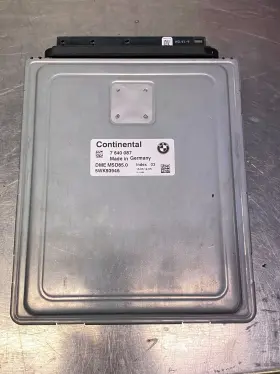
( Type: Engine Control Unit ), ( Ipn: 12147640087 ), ( Manufacturer Part Number: 7640087 ), ( Terminal Type: Pin ), ( Country/region Of Manufacture: Germany ), ( Placement On Vehicle: Front, Rear )
Review BMW Oem F01 Dme Ecu Engine Control Unit Module Computer N63 At fits F10 F12 2010–2014
The BMW 7640087 engine control unit, also known as the DME (Digital Motor Electronics) ECU module, is a crucial component of BMW F10, F01, and F12 series vehicles equipped with the N63 engine. This sophisticated electronic control unit plays a vital role in managing various engine functions to ensure optimal performance and fuel efficiency.
The DME ECU module is designed to regulate multiple engine systems, including the fuel injection system, ignition system, and emissions control systems. It processes data from various sensors to make real-time adjustments and maintain the engine's ideal operating conditions. By continuously analyzing engine performance data, this ECU ensures proper air-fuel ratio, optimal ignition timing, and efficient fuel consumption.
Moreover, the BMW 7640087 DME ECU module is integrated with BMW's advanced driving dynamics control system. This integration enables the vehicle to adapt to various driving conditions and scenarios, providing a more engaging and responsive driving experience.
Additionally, the DME ECU module is responsible for managing the vehicle's adaptive cruise control system, which uses data from a radar sensor to maintain a safe following distance from the vehicle in front. It also plays a role in the vehicle's stop-and-go functionality, making it an essential component for vehicles with these advanced features.
This DME ECU module is a high-precision electronic component that requires calibration and regular software updates to ensure optimal performance. It is essential to maintain the DME ECU module in good working order to keep your BMW F10, F01, or F12 series vehicle running at its best.
In case of any issues with the DME ECU module, it may result in various symptoms such as poor engine performance, decrease in fuel efficiency, and warning lights on the dashboard. If you suspect that your BMW's DME ECU module is malfunctioning, it is recommended to have it inspected by a certified BMW technician to ensure proper diagnosis and repair.
Buying a BMW F10/F01/F12 N63 DME ECU engine control unit module (BMW part number: 7640087) can be a significant investment for BMW owners looking to maintain or improve the performance of their vehicles. Here are some potential pros and cons to consider before making a purchase.
Pros:1. Improved Performance: Replacing a faulty or outdated ECU module with a new one can lead to improved engine performance, including increased horsepower and torque.
2. Better Fuel Economy: A new ECU module can help optimize fuel delivery and engine efficiency, potentially resulting in better fuel economy.
3. Increased Reliability: A new ECU module can help reduce the likelihood of engine-related issues, leading to increased reliability and peace of mind.
4. Diagnostic Capabilities: A new ECU module can provide better diagnostic capabilities, allowing users to identify and address potential issues before they become major problems.
Cons:1. Cost: Replacing an ECU module can be a significant expense, with the BMW part number 7640087 retailing for several hundred dollars.
2. Installation Complexity: Installing an ECU module can be a complex process, requiring specialized tools and knowledge. It may be necessary to take the vehicle to a dealership or a professional mechanic for installation.
3. Potential for Unintended Consequences: Installing a new ECU module can potentially lead to unintended consequences, such as changes in engine behavior or unexpected warning lights.
4. Compatibility: It is essential to ensure that the ECU module is compatible with the specific BMW model and engine configuration.
In conclusion, buying a BMW F10/F01/F12 N63 DME ECU engine control unit module (BMW part number: 7640087) can offer significant performance, fuel economy, and reliability benefits. However, the cost, installation complexity, potential for unintended consequences, and compatibility considerations are important factors to weigh before making a purchase.
If you are comfortable with the potential risks and costs, and you have the necessary tools and knowledge to install the module yourself, then purchasing a new ECU module may be a worthwhile investment. Alternatively, considering a less expensive option such as software tuning or consulting a professional mechanic for advice may be a more viable solution for some. Ultimately, the decision depends on your specific needs, budget, and technical capabilities.
Details:
Pulled from an F10.
part #: 7640087 prices
- $125.00-$399.95
specifications ecusrush:
- for models: F10, F12
- for makes: Bmw
- for years: 2010-2014
- type: Engine Control Unit
- interchange part number: 12147640087
- manufacturer part number: 7640087
- terminal type: Pin
- country/region of manufacture: Germany
- placement on vehicle: Front, Rear
shipping ecusrush:
- cost: $0.00
- class: Expedited
- service: USPS Priority Mail
- transit: 5-11 Days
- carrier: USPS
- type: Calculated
seller ecusrush:
- rating: 96.9%
- city: Morrisville, Pennsylvania
- # reviews: 4898
returns ecusrush:
- policy: No Returns
offer ecusrush:
- options: Ship-to-home
- started: April 5, 2025
- availability: In Stock
- best offers: True
- quantity: 1
- sold: 0
general ecusrush:
- Car Truck Parts Accessories > Starters, Alternators, ECUs Wiring > ECUs Computer Modules
- condition: Used
payments ecusrush:
- credit card: Discover
- other
- wallet: Apple-pay
Bmw 7640087 Is Similar To:
- Bmw 6 869 508-01 2012-2018 640i 650i F12 Left Blind Spot Radar Sensor Control Module Oem 2 (41.4% similar) Mlle vehicle made in: germany, exterior color: black interior color trim: black, it is a used factory original part. 8-CYLINDER transmission: 8 speed automatic drive type: rear wheel RWD body convertible / 2 door mileage: 140K...(June 5th, 2024)
- Bmw 7 602 220 2007 2010 323i Engine Control Module Unit Ecm B61 048 (54.3% similar) Note: stock number: B61#048...(June 6th, 2024)
- Bmw 9183233 Bcm Body Control Module 08 2008 535i Ships Fast (37.8% similar) Year: 2008 , model: 535I, stock #: H3435, mileage: 149000. See below for fitment information and any notes pertaining to this specific part. This part will only fit: bmw 528I 08-10 body control BC ; console switch control, 535I 550I control. For more parts from this vehicle...(June 6th, 2024)
- Bmw 861494901 2013-18 320 328 X3 N20 2.0l Ecm Engine Computer Module Ecu Dme (41.3% similar) Removed from running vehicle/engine. Sold as-is - visually inspected. Please verify fitment prior to purchasing...(June 11th, 2024)
- Bmw 8 609 535 2011-2012 740i Engine Computer Module Ecu Ecm Pcm Dme 5wk93339 (40% similar) Used engine computer control unit for 2011 -2012 bmw 740I part number: 8/6 09 535 / 5WK93339, this module will only work when replacing with the identical...(June 11th, 2024)
- Bmw 7 587 164 2008 2009 2010 328i Engine Computer Control Module Unit Ecm Ecu 7587164 (40.2% similar) The part was working 100% when removed from the donor vehicle. This used item comes with a 30 day warranty parts only - no labor...(June 12th, 2024)
- Bmw 7 639 421 2011-2012 Mini Cooper S Turbo Engine Computer Module Ecu Ecm Pcm (39.5% similar) Used engine computer control unit for 2011 -2012 mini coopers turbo part number: 7/6 39 421 this module will only work when replacing with the identical...(June 13th, 2024)
- Bmw 66519316923 Oem Kafas Collision Avoidance Control Module 3 4 5 6 7 Series I8 X1 X2 X3 X4 (38.6% similar) The item might have signs of normal wear like scruffs, marks, and scratches...(June 14th, 2024)
- Bmw 5wk91136 E90 E91 328i E82 128i Engine Computer Msv80 Dme Cas Key Oem (33.3% similar) This was removed from bmw E90 E91 328I E82 128I, its in good used condition with minor wear as seen but it functions should. This oem engine control unit ecu is specifically designed for bmw model's E90, E91, E82, and E128I. This ecu does not require any programming, making it a hassle-free...(June 14th, 2024)
- Bmw Mini 519318117 2008 Cooper Fuse Box Body Control Module Junction (43.4% similar) In perfect working order. BC fuse panel body control module for a mini cooper. Requires programming after install...(June 15th, 2024)
- Bmw 0261200179 261 200 179 E32 E24 M30 3.5 M30b35 Ecu Dme Engine Control Unit 1726685 E4 (40.7% similar) Removed from a 1992 735IL. Part was functioning when removed from the vehicle...(June 16th, 2024)

5 offers $125.00–$399.95 USD
- Used. Offer #1 priced at $125.00 + $0.00 delivery = $125.00* total. BMW 550i xDrive Base 4.4L V8 - Gas 2011-2012. BMW 550i Base 4.4L V8 - Gas 2011-2012.FREE SHIPPING
- Used. Offer #2 priced at $399.95 + $22.00 delivery = $421.95* total. 2012 BMW F02 750LI RWD 130K MILES.+$22.00 shipping
- Used. Offer #3 priced at $225.00 + $10.00 delivery = $235.00* total. TESTED Ignition KEY set OEM 0343 Used in good working condition.+$10.00 shipping
- Used. Offer #4 priced at $299.00 + $0.00 delivery = $299.00* total. Thanks! 09-13 BMW F01 F10 F13 550 650 750 N63 DME Engine Computer CAS Module Key Set OEM Removed from a running 2011 BMW 550xi with 125k.FREE SHIPPING
- Used. Offer #5 priced at $90.00 + $0.00 delivery = $90.00* total. FREE SHIPPING