HONDA Engine Control Module Ecu 590-62447 136K LKQ334147855
fits model: Accord. make: Honda. year: 2015.
( Part Type: Control Engine Module Ecu ), ( Ipn: 590-62447 ), ( Manufacturer Warranty: 6 Month ), ( Warranty Length: 6 Month Warranty ), ( Partout Id: A-50680978 )
Review HONDA Engine Computer Control Module Ecu 136k Miles Oe fits ACCORD 2015
The Honda 590-62447 engine control module (ECM), also known as the powertrain control module (PCM) or engine computer, is an essential component of the 2015 Honda Accord's engine system. This ECM, with the LKQ334147855 part number, ensures the efficient and effective operation of various engine and emission control systems.
This Honda engine control module is responsible for managing numerous engine functions, including fuel injection, ignition timing, and emission control. It communicates with other vehicle systems through a network of sensors and actuators to maintain optimal engine performance and comply with emissions regulations.
Designed specifically for 2015 Honda Accords, the ECM offers improved fuel efficiency, sustained power, and reduced emissions. It features a 32-bit microprocessor with advanced programming algorithms that allow for enhanced engine control and responsiveness. In the event of failure, replacing the engine control module is a crucial step to restoring proper engine functionality.
This ECM has a 136,000- mileage rating which makes it an excellent replacement option for Honda Accords that have reached this mileage number. By installing a new, genuine Honda engine control module, you can expect the following benefits:
1. Improved engine performance: A replacement engine control module will ensure optimum engine response, ensuring smoother acceleration and more consistent power delivery.
2. Enhanced fuel efficiency: By fine-tuning engine functions, a new ECM can help decrease fuel consumption and minimize exhaust emissions, contributing to cost savings and a smaller environmental footprint.
3. Better check engine light diagnoses: A new engine control module can more accurately identify diagnose issues, leading to faster problem resolution and less time spent at the repair shop.
4. Improved drivability: With improved engine control comes better drivability, allowing for a more enjoyable and hassle-free driving experience.
5. Longer engine life: By ensuring precise fuel injection, ignition timing, and emission control, an updated engine control module can help extend the life of the engine and reduce the need for costly repairs down the line.
When faced with a failing engine control module, replacing it with a genuine Honda 590-62447 136k part equates to a wise investment, delivering improved engine performance, enhanced fuel efficiency, better check engine light diagnoses, improved drivability, and an extended engine life.
The Honda Accord 2015 Engine Control Module (ECM) part number LKQ334147855, which is the 590-62447 model, is a crucial component of the vehicle's engine management system. The ECM is responsible for managing various engine functions, including fuel injection, ignition timing, and emissions control. Replacing a faulty ECM can improve engine performance and solve various drivability issues. In this context, we will discuss the pros and cons of buying a reconditioned or remanufactured ECM for a Honda Accord 2015.
Pros of Buying a Reconditioned or Remanufactured ECM:1. Cost-effective: The primary benefit of buying a reconditioned or remanufactured ECM is the lower cost compared to a new one. It's a more affordable option for vehicle owners, especially those dealing with unexpected issues.
2. Availability: Reconditioned or remanufactured parts are usually readily available in the aftermarket. This can save time for those who need a quick replacement.
3. Environmentally friendly: Reconditioning or remanufacturing extends the life cycle of a part, preventing the need for producing new components, thereby reducing waste and contributing to the environment.
Cons of Buying a Reconditioned or Remanufactured ECM:1. Lack of Warranty: Warranties on reconditioned or remanufactured parts are not always as comprehensive as those on new parts. Some aftermarket suppliers provide limited warranties, while others do not offer any.
2. Inconsistency: The quality of reconditioned or remanufactured parts may vary from one supplier to another. Some may offer excellent quality, while others may provide subpar parts.
3. Matching Software: Ensuring the compatibility of the reconditioned or remanufactured ECM with the vehicle's other electronic systems, especially the body control module and powertrain control module, can be challenging. It may require specialized tools and knowledge.
Conclusion:Buying a reconditioned or remanufactured ECM for a Honda Accord 2015 offers cost savings and faster availability compared to a new part. However, there are risks involved such as inconsistent quality, lack of comprehensive warranties, and potential compatibility issues. When considering this option, it is recommended to buy from a trusted aftermarket supplier with a proven track record of providing high-quality, compatible parts. Additionally, taking the necessary precautions to ensure a proper installation and proper communication with the supplier about any required updates to the vehicle's software can help mitigate potential issues.
Recommendation:To minimize risks, consider buying a reconditioned or remanufactured ECM from a reputable aftermarket supplier with a strong warranty, excellent customer service, and positive reviews from other customers. It is essential to ensure the part is compatible with your vehicle and to communicate openly with the supplier to discuss any necessary updates or precautions required during installation. Always ensure that the replacement is made by a competent professional, as improper installation can lead to additional costs and unnecessary repairs.
Details:
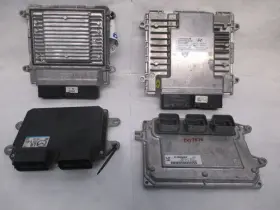
ATTENTION: Stock photo shows multiple items. No photos of the actual Engine Control Unit ECU are available. This listing is for 1 ITEM ONLY, Some modules may need to be reprogrammed at a service center. This is NOT a manufacturer part number, and can be disregarded. Will fit: Honda Accord 2015 - 2015 US market, SD, 3.5L AT, Touring, Federal emissions.
part #: lkq334147855 prices
- $132.35-$135.68
specifications ecusrush:
- for models: Accord
- for makes: Honda
- for years: 2015
- part type: Control Engine Module Ecu
- interchange part number: 590-62447
- manufacturer warranty: 6 Month
- warranty length: 6 Month Warranty
- partout id: A-50680978
seller ecusrush:
- rating: 92.7%
- city: La Grange, North Carolina
- # reviews: 454567
returns ecusrush:
- time: 30 Days
- policy: Returns Accepted
- paid by: Buyer
shipping ecusrush:
- service: UPS Ground
- carrier: UPS
- type: Fixed
- transit: 6-11 Days
- class: Standard
- cost: $0.00
payments ecusrush:
- other
- credit card: Discover
- wallet: Apple-pay
offer ecusrush:
- sold: 0
- started: December 31, 2024
- quantity: 1
- options: Ship-to-home
- availability: In Stock
general ecusrush:
- Car Truck Parts Accessories > Starters, Alternators, ECUs Wiring > ECUs Computer Modules
- condition: Used
Honda LKQ334147855 Is Similar To:
- Honda 39200-t3m-a61 Control Unit Active Noise Accord 2016 2015 2014 2013 (34.4% similar) Fitment type: direct replacement. Brand: honda. Control unit, active noise 39200-T3M-A61 honda accord 2016 2015 2014 2013 : in stock. Conditions options: used. Any questions or concerns please feel free. Manufacturer part number: 39200-T3M-A61. Genuine oem: yes. Condition: used...(June 7th, 2024)
- Honda 37820-5ba-l87 2016-17 Civic 2.0l Ecm Engine Computer Control Module Pcm (58.3% similar) Sold as-is - visually inspected. Other compatible p/n: 37820-5BA-L85, 37820-5BA-L86, 37820-5BA-L83, 37820-5BA-L82, 37820-5BA-L84, 37820-5BA-L81. Please verify fitment prior to purchasing. Removed from running vehicle/engine...(June 10th, 2024)
- Honda A2c53319906 2018 19 20 Accord Body Control Computer Module Bcm Bcu Oem 38800tvaa420m1 (52.7% similar) This is a used item. This used item comes with a 30 day warranty parts only - no labor. The part was working 100% when removed from the donor vehicle...(June 10th, 2024)
- Oem Honda 36048-ph4-688 1989 Accord Ecm Ecu Engine Control Module Part 36048-ph4-668 (52.3% similar) Originally pulled working from a 1989 honda accord. Buy this honda ecu/ecm unit to replace your flaky ecu...(June 11th, 2024)
- Honda 37820-r1j-a54 2014 2015 Civic Engine Control Module Computer Ecm Ecu 37820r1ja54 (54.2% similar) This item comes with a 30 day warranty...(June 11th, 2024)
- Honda 37820r5aa56 2013 2014 Crv Engine Computer Control Module Oem Ecm (59.6% similar) This used item comes with a 30 day warranty parts only - no labor...(June 14th, 2024)
- Honda 37820-r1j-a64 14 15 Civic 1.8l Engine Control Module Computer Ecm Ecu 37820r1ja64 Oem (49.5% similar) This used item comes with a 30 day warranty parts only - no labor. The part was working 100% when removed from the donor vehicle...(June 15th, 2024)
- Honda 37820-5a0-b25 2016 2017 Accord Engine Computer Control Module Oem Ecm (66.3% similar) This used item comes with a 30 day warranty parts only - no labor...(June 17th, 2024)
- Honda 39980-szt-a41 Cr-z Crz 12 Eps Unit Module B025 Oem 2012 (39.5% similar) Honda Cr-z Cruz 12 EPS unit module 39980-AZT-A41, B025, oem, 2012 , this item fits: 2012 Cruz, other part number: part placement on vehicle: condition: used item, refer to images for condition. May have wear and tear, color: images: all images are of the actual item. God bless you...(June 18th, 2024)
- Honda 37820-6b2-a72 2020 Accord 2.0l Engine Computer Control Module Ecm Ecu 378206b2a72 Oem (68.1% similar) This used item comes with a 30 day warranty parts only - no labor. The part was working 100% when removed from the donor vehicle...(June 23rd, 2024)
- Honda 590-11243 2019 Passport Engine Computer Control Module Ecu 46k Miles Oe Lkq356821841 (82% similar) This is not a manufacturer part number, and can be disregarded. Will fit: honda passport 2019 - 2019 electronic control module; us market, fwd. This listing is for 1 item only, some modules may need to be reprogrammed at a service center. Attention: stock photo shows multiple items...(June 27th, 2024)

5 offers $132.35–$135.68 USD
- Used. Offer #1 priced at $132.35 + $0.00 delivery = $132.35* total. FREE SHIPPING
- Used. Offer #2 priced at $132.35 + $0.00 delivery = $132.35* total. FREE SHIPPING
- Used. Offer #3 priced at $135.68 + $0.00 delivery = $135.68* total. FREE SHIPPING
- Used. Offer #4 priced at $132.35 + $0.00 delivery = $132.35* total. FREE SHIPPING
- Used. Offer #5 priced at $244.99 + $0.00 delivery = $244.99* total. Parts from 1998 and up vehicles are complicated and anti-theft systems have further complicated installation of used or new modules. If they are unable to program they will condemn the ECM as defective.FREE SHIPPING